
It is a collection of symptoms that develop when the central nervous system attempts to adapt to the lack of alcohol after becoming habituated to it. You may need to seek treatment at an inpatient facility if your alcohol use disorder is severe. Treatment for alcohol use disorder usually involves support and medical alcoholism physical symptoms care to help you reduce your intake of alcohol or stop drinking altogether. If AUD is not treated, it can increase your risk for serious health problems. After completing treatment for AUD, it’s possible to have a risk of relapse.
Five Common Signs of Late-Stage Alcoholism
Tolerance becomes noticeable, as you must drink more to reach the desired effect and feeling. In this transitional stage, as the disease becomes more severe, you may experience frequent blackouts and find that drinking and alcohol consume much of your thoughts. The damaged liver can cause other https://www.laudclinic.com/feeling-exhausted-after-quitting-alcohol-here-s-2/ complications in the body since it is a vital organ. The liver is responsible for over 500 tasks to ensure the body is functioning as healthy as possible. Other long-term health risks of alcohol abuse, like heart problems and stroke, stem from chronic alcohol abuse in end-stage alcoholism.
What questions should I ask my healthcare provider?
Some people may not be ready for full abstinence but may still wish to cut down on their drinking. In these cases, harm reduction programs often exist that can minimize damage through strategies like monitored drinking, nutritional support, or safe alcohol rehab housing. Alcoholism often causes noticeable changes in an individual’s mood and personality. They may become irritable, aggressive, or anxious, even in situations where such behavior is unwarranted.
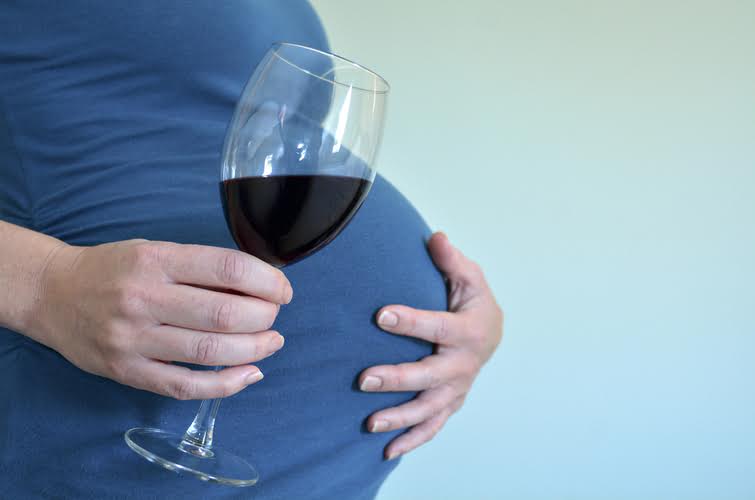
What are the complications of alcohol use disorder?
You might experience increased skin sensitivity, leading to conditions like eczema or psoriasis. Poor dental health becomes evident due to neglected oral hygiene from alcohol abuse. The effect is particularly noticeable in social drinkers where mild alcohol consumption can temporarily alter facial appearance through vasodilation.